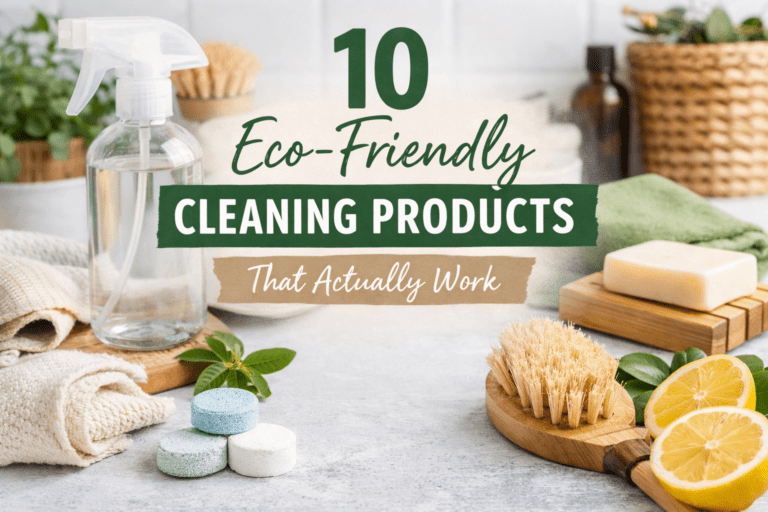
How to Create a Non-Toxic Cleaning Routine for Your Home
Creating a non-toxic cleaning routine is one of the easiest ways to make your home healthier without completely changing your lifestyle. When I first started paying attention to the ingredients in common cleaning products, I realized how many harsh chemicals I was using daily without thinking about it. The good news is that switching to non-toxic cleaning doesn’t have to be expensive or complicated.
This guide walks through how to build a simple, realistic non-toxic cleaning routine using safer products that still work — many of which are easy to find on Amazon.
Why Non-Toxic Cleaning Matters
Traditional cleaning products often contain chemicals that can irritate the skin, trigger allergies, and affect indoor air quality. Over time, regular exposure can add up, especially in homes with kids, pets, or people with sensitivities.
A non-toxic routine focuses on using safer ingredients, reducing chemical buildup in the home, and creating a cleaner living space overall — without sacrificing cleanliness.
Step 1: Start With an All-Purpose Non-Toxic Cleaner
An all-purpose cleaner is the foundation of any cleaning routine. This single product can handle most everyday messes like countertops, tables, shelves, and appliances.
Look for cleaners that are:
- Plant-based
- Free from ammonia, bleach, and synthetic dyes
- Lightly scented or fragrance-free
👉 Amazon link idea: Non-toxic all-purpose cleaner (Method, Seventh Generation, Better Life)
Tip: Start by replacing just this one product — it covers the most surfaces and gives you quick wins.
Step 2: Switch to a Safer Dish Soap
Dish soap is used daily, which means it’s constantly touching your skin. Non-toxic dish soaps are just as effective at cutting grease but are much gentler.
Choose dish soaps made with:
- Plant-based surfactants
- No artificial fragrances
- Biodegradable formulas
👉 Amazon link idea: Eco-friendly dish soap (ECOS, Seventh Generation)
Step 3: Use Non-Toxic Bathroom Cleaners
Bathrooms are where people often assume they need harsh chemicals, but non-toxic bathroom cleaners can still handle soap scum and buildup.
Look for bathroom cleaners designed for:
- Toilets
- Showers and tubs
- Sinks and mirrors
👉 Amazon link idea: Non-toxic bathroom cleaner or toilet cleaner
Pro tip: Pair your cleaner with a good scrub brush and microfiber cloth — tools matter just as much as products.
Step 4: Replace Paper Towels With Reusable Cloths
One simple but powerful change is switching from disposable paper towels to reusable cleaning cloths. Microfiber cloths trap dirt and bacteria better and reduce waste.
👉 Amazon link idea: Reusable microfiber cleaning cloths
This small swap:
- Saves money over time
- Reduces household waste
- Improves cleaning results
Step 5: Create a Simple Weekly Cleaning Routine
A non-toxic routine works best when it’s consistent but realistic. You don’t need to clean everything every day.
Example weekly routine:
- Daily: Wipe counters, do dishes
- Weekly: Bathroom surfaces, floors
- Bi-weekly: Deep clean kitchen appliances
- Monthly: Windows, baseboards, vents
Using fewer, safer products makes cleaning feel less overwhelming.
Step 6: Store Products Safely and Read Labels
Even non-toxic products should be stored properly. Keep cleaners out of reach of kids and pets, and always read ingredient labels.
Avoid products with:
- Ammonia
- Chlorine bleach
- Phthalates
- Artificial dyes
The simpler the ingredient list, the better.
Step 7: Add One Swap at a Time
You don’t need to throw everything out at once. In fact, replacing products gradually is more sustainable and budget-friendly.
Start with:
- All-purpose cleaner
- Dish soap
- Bathroom cleaner
Once those are replaced, expand from there.
Final Thoughts
Creating a non-toxic cleaning routine doesn’t mean your home won’t be clean — it means it will be clean and healthier. By choosing safer products, using reusable tools, and keeping your routine simple, you can reduce chemical exposure without making life harder.
Small changes add up, and over time, a non-toxic routine becomes second nature. Your home, your health, and the environment all benefit.