9 Food Storage Mistakes That Make Groceries Go Bad Faster (And How to Fix Them)
You come home from the grocery store, put everything away, and feel like the kitchen is stocked for the week.
Then a few days later, the strawberries are fuzzy, the lettuce has gone limp, half an avocado has turned brown, and there’s a container in the back of the refrigerator that nobody remembers putting there.
Sound familiar?
Food waste doesn’t always happen because we buy too much. Sometimes, the way we store our groceries causes perfectly good food to spoil much faster than it should.
And when groceries are already expensive, throwing away food is basically throwing away money.
The good news is that you don’t need a fancy refrigerator or an elaborate organization system to make food last longer. A few simple changes to how you wash, organize, and store groceries can help reduce food waste, save money, and make your kitchen run more efficiently.
Here are 9 common food storage mistakes that may be shortening the life of your groceries—and what to do instead.
1. Washing Berries Before You’re Ready to Eat Them
It feels responsible to wash strawberries, blueberries, and raspberries as soon as you get home.
The problem is moisture.
Berries are delicate, and excess moisture can encourage mold and cause them to spoil faster. If you wash them and immediately put them back into the refrigerator while they’re still damp, you may be shortening their shelf life.
What to do instead
Keep berries dry and refrigerated until you’re ready to eat them.
If you prefer washing them ahead of time, make sure they are completely dry before storing them.
A container designed to allow airflow while keeping produce organized can also be useful, especially if your berries tend to disappear into the back of the refrigerator.
2. Storing Everything in the Original Packaging
The packaging from the grocery store is designed primarily to transport and sell food—not necessarily to keep it fresh in your refrigerator for as long as possible.
That plastic bag of spinach can collect condensation.
An opened block of cheese can dry out.
Leftovers loosely covered with plastic wrap can lose moisture or pick up odors from other foods.
Instead of automatically leaving everything in its original packaging, think about what will protect the food once it has been opened.
A better approach

Use airtight containers for foods that need protection from air and moisture.
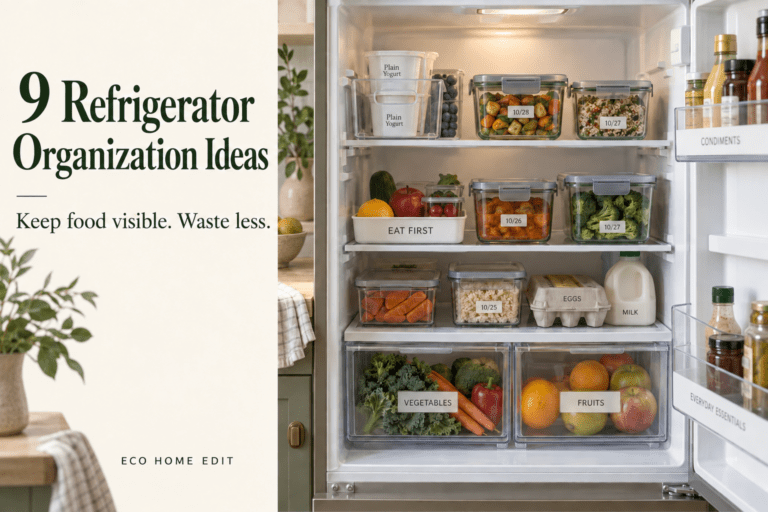
Clear containers are especially helpful because you can immediately see what you have instead of forgetting about food hidden behind packages.
Reusable glass food storage containers can also replace some disposable bags, plastic wrap, and takeout containers over time.
3. Putting Produce in the Wrong Refrigerator Drawer
Those drawers at the bottom of your refrigerator aren’t just extra storage space.
Many refrigerators have humidity-controlled crisper drawers designed to create different environments for fruits and vegetables.
Produce that wilts easily generally benefits from higher humidity, while some fruits do better with lower humidity and additional airflow.
But many of us simply throw whatever fits into whichever drawer has space.
What to do instead
Check whether your refrigerator has adjustable humidity controls.
Use the drawers intentionally instead of treating them like miscellaneous storage bins.
You can also group similar produce together so you know what needs to be used first.
A small change in refrigerator organization can prevent produce from getting buried and forgotten.
4. Keeping Certain Fruits and Vegetables Together
Some fruits release ethylene gas, a natural plant hormone that speeds up ripening.
That can be useful when you want something to ripen.
It’s not so useful when nearby produce starts ripening faster than you can eat it.
Apples, bananas, avocados, pears, and tomatoes are among the foods that can produce significant amounts of ethylene as they ripen.
Some vegetables are sensitive to it.
What to do instead
Avoid packing all of your fruits and vegetables tightly together just because they fit.
Separating certain produce can help prevent premature ripening and spoilage.
You don’t need a complicated system. Even a couple of dedicated refrigerator bins can make it easier to keep different types of produce separated and visible.
5. Treating Your Refrigerator Like a Storage Closet
A packed refrigerator might look like you’re prepared for the week, but overcrowding can make it difficult to see what you actually have.
That creates the classic problem:
You buy another jar because you didn’t see the one in the back.
You forget about yesterday’s leftovers.
The vegetables at the bottom disappear until they’re no longer edible.
There’s another issue too: cold air needs room to circulate throughout the refrigerator.
Try a “Use This First” section

Designate one small area of your refrigerator for food that should be eaten soon.
It could contain:
- Leftovers
- Cut fruit
- Opened containers
- Produce that is beginning to soften
- Ingredients approaching their expiration or best-quality date
Before making lunch or ordering takeout, check that section first.
This tiny habit can make a surprisingly big difference because it turns forgotten food into visible food.
6. Storing Leftovers in Containers That Are Too Large
Have you ever put a small serving of leftovers into a huge container because it was the first clean one you found?
It works, but it isn’t always ideal.
Oversized containers take up valuable refrigerator space and can make an already crowded refrigerator harder to organize.
They can also leave more air around certain foods than necessary.
What to do instead
Keep several reusable container sizes available.
Use smaller containers for sauces, chopped ingredients, and individual portions and larger ones for family-sized leftovers or meal prep.
This also makes it easier to stack food neatly instead of playing refrigerator Tetris every time you put something away.
If you regularly bring lunch from home, portioning leftovers into individual containers can make tomorrow’s lunch almost effortless.
7. Forgetting What’s in the Freezer
The freezer is one of the best food-saving tools in your kitchen.
It can also become a frozen graveyard.
You put something in there because you don’t want to waste it, and six months later you discover a mystery bag covered in ice crystals.
Freezing food only saves money if you eventually use it.
Create a simple freezer system

Label freezer containers with:
What it is + the date it was frozen
For example:
Chicken Chili — Aug. 12
That takes a few seconds and removes the guessing later.
You can also keep a simple freezer inventory on the refrigerator or inside a kitchen cabinet.
When you use something, cross it off.
Before grocery shopping, check the list.
You may discover that you already have enough ingredients for several meals.
8. Using Disposable Storage for Everything
Plastic sandwich bags and plastic wrap are convenient.
But if you use them every day, you’re constantly buying replacements.
That doesn’t mean you need to throw away every disposable product in your kitchen tomorrow.
A more realistic approach is to replace frequently used disposable items as they run out.
Start with what you use most
If your household goes through lots of sandwich bags, try reusable silicone storage bags.
If you constantly cover bowls with plastic wrap, reusable bowl covers or beeswax wraps may work for some foods.
If you pack leftovers every day, invest in containers you actually enjoy using.
The goal isn’t to create a perfectly zero-waste kitchen.
The goal is to buy fewer things that immediately end up in the trash.
9. Buying More Food Before Checking What You Already Have
This might be the biggest food storage mistake because technically it begins before the food even enters your refrigerator.
You head to the store without checking the kitchen.
You buy another bag of onions.
There are already four onions at home.
You grab yogurt.
There’s an unopened container hiding behind the milk.
You buy another package of chicken even though there’s chicken in the freezer.
Now you have more food than you can realistically use.
Try a 5-minute kitchen check before shopping
Before making your grocery list, quickly check:
- Refrigerator
- Freezer
- Pantry
- Produce
- Leftovers
Then plan a few meals around what needs to be used first.
This is one of those habits that costs nothing but can immediately reduce unnecessary grocery purchases.
You might even create a small “Shop My Kitchen First” list on your refrigerator.
The more food you use before buying replacements, the less likely it is that your grocery budget ends up in the trash.
You Don’t Need a Pinterest-Perfect Refrigerator
It’s easy to see beautifully organized refrigerators online and think you need dozens of matching containers to get organized.
You don’t.
A sustainable kitchen should make everyday life simpler, not give you another expensive project.
Start with the biggest problem in your kitchen.
If produce keeps spoiling, improve how you store produce.
If leftovers get forgotten, create a Use First bin.
If your freezer is full of mystery food, start labeling it.
If you constantly buy disposable storage bags, replace the ones you use most with reusable alternatives.
You can improve your system gradually.
And whenever you do purchase something new, look for products that are durable, reusable, easy to clean, and useful enough that you’ll actually keep using them.
Quick Food Storage Checklist
Before your next grocery trip, try these simple habits:
- Keep berries dry until you’re ready to use them.
- Store opened foods in appropriate reusable containers.
- Use your refrigerator’s crisper drawers intentionally.
- Separate produce when necessary.
- Create a “Use First” area for food that needs to be eaten soon.
- Match container size to the amount of food you’re storing.
- Label and date freezer food.
- Replace frequently used disposable storage products gradually.
- Check your refrigerator, freezer, and pantry before buying more groceries.
You don’t have to do everything at once.
Even preventing one or two foods from being thrown away each week means less waste and more value from the groceries you already paid for.
Keep Making Your Kitchen Work Smarter
Reducing kitchen waste isn’t about being perfect. It’s about noticing where food, money, and resources are slipping through the cracks and making small changes that are realistic for your household.
Once your food storage system is working better, take a look at our guide to 10 Kitchen Habits That Waste Money. You may find a few other everyday habits quietly increasing your household expenses.
And keep exploring Eco Kitchen for practical ways to save money, reduce waste, choose better kitchen products, and create a more sustainable home—one realistic change at a time.